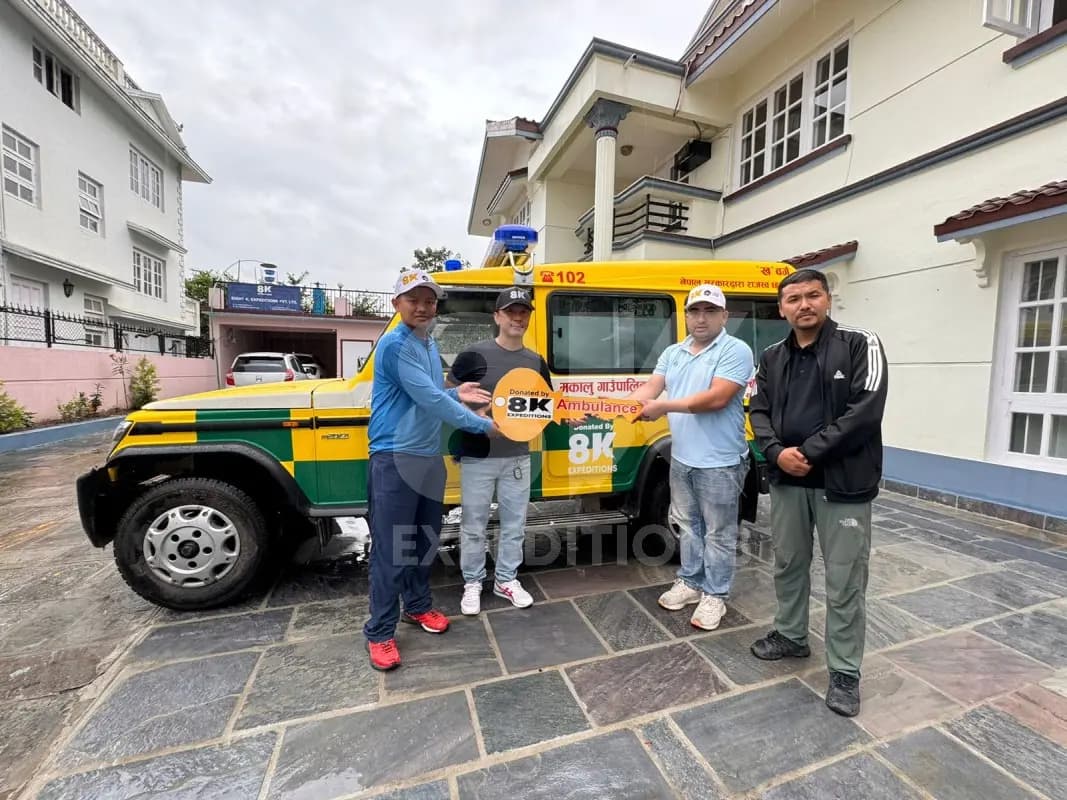
Useful Information for 8000 Club Expeditions
Preparing for an 8000-meter expedition requires careful planning, physical readiness, proper equipment, and a strong understanding of high-altitude conditions. The information below is designed to help climbers and participants prepare for a safe and successful Himalayan expedition.
Physical Preparation
High-altitude climbing demands excellent fitness, endurance, strength, and mental resilience. Participants should begin training several months before the expedition with a focus on cardiovascular fitness, strength training, hiking, stair climbing, and carrying a weighted backpack.
Altitude and Acclimatization
Acclimatization is one of the most important parts of any 8000-meter expedition. Climbers should allow enough time for the body to adjust to reduced oxygen levels. Our itineraries are designed with gradual ascent, rest days, and rotation climbs to reduce altitude-related risks.
Required Climbing Experience
Previous high-altitude trekking or climbing experience is highly recommended. For major 8000-meter peaks, climbers should be comfortable using crampons, ice axes, fixed ropes, harnesses, ascenders, descenders, and other technical climbing equipment.
Expedition Equipment
Proper gear is essential for safety and comfort. Climbers should carry high-quality mountaineering boots, down suits, gloves, sleeping bags, helmets, harnesses, crampons, headlamps, sunglasses, and layered clothing suitable for extreme cold and changing mountain conditions.
Weather Conditions
Himalayan weather can change quickly. Strong winds, snowfall, low visibility, and extreme temperatures are common at high altitude. Summit attempts are planned according to weather windows, route conditions, and the safety judgment of the expedition leader.
Permits and Documentation
Climbers must have a valid passport, required visas, climbing permits, travel insurance, and other official documents. The 8000 Club team assists with permit arrangements and expedition logistics where applicable.
Travel Insurance
Comprehensive travel insurance is strongly recommended and may be required for expedition participation. Insurance should cover high-altitude climbing, emergency evacuation, medical treatment, trip cancellation, and helicopter rescue where available.
Health and Medical Support
Participants should consult a doctor before joining an expedition, especially if they have previous medical conditions. Basic medical support and emergency planning are part of the expedition setup, but climbers must be responsible for their own health and personal medication.
Food and Accommodation
Accommodation may include hotels in the city, teahouses during trekking sections, and tents at base camp and higher camps. Meals are planned to provide energy and nutrition during the expedition, with options depending on location and available supplies.
Communication
Communication in remote mountain areas can be limited. Depending on the expedition, satellite phones, radio communication, mobile networks, or internet services may be available at selected locations.
Environmental Responsibility
8000 Club encourages responsible climbing and sustainable mountain travel. Climbers are expected to respect local communities, avoid littering, reduce waste, and follow responsible expedition practices throughout the journey.
Safety and Decision Making
Safety is always the highest priority. Summit success depends on weather, health, route conditions, team readiness, and guide decisions. The expedition leader has the authority to change plans, delay movement, or cancel a summit attempt when safety is at risk.
Best Time for Expedition
The best season for most Himalayan expeditions is usually spring or autumn, depending on the mountain and route. Spring is commonly preferred for major 8000-meter peaks because of more stable summit windows.
Final Preparation
Before departure, climbers should review the itinerary, confirm gear requirements, check travel documents, complete payments, arrange insurance, and communicate any health or dietary concerns with the expedition team.